
Whoa! I remember the first time I moved my savings off an exchange. Really? Yes — my heart raced a little. My instinct said: don’t trust a website with your life savings. At the time I was messy and anxious, but I learned fast.
Here’s the thing. Hardware wallets are not magic boxes. They are tools that, when used correctly, greatly reduce risk. They cut out online exposure by keeping your private keys offline. But the human part — how you set them up, store them, and recover from mishaps — still matters a lot. This article focuses on real-world practices, and not just the glossy spec sheet.
Short checklist first. Buy hardware from a reputable source. Verify the device at setup. Keep your seed phrase offline and physically secure. Use a passphrase if you understand the tradeoffs. Test recoveries before moving large sums. Hmm… sounds simple. Yet people mess up, very very often.
My first hardware wallet lived in a kitchen drawer. Bad move. On one hand I needed convenience for small transfers, though actually I underestimated how exposed that drawer was during a remodel. Initially I thought putting it in a safe was overkill, but then realized a safe with tamper evidence was the right call. Little things add up — humidity, curious kids, a roommate who “cleans up”.
On the technical side, cold storage is about isolating the private key from any networked device. That’s a sentence you’ll see everywhere. But in practice it means choosing a wallet that signs transactions inside its secure element, then broadcasting only the signed transaction from your computer or phone. If that definition makes you nod, good. If it raises questions, keep reading.
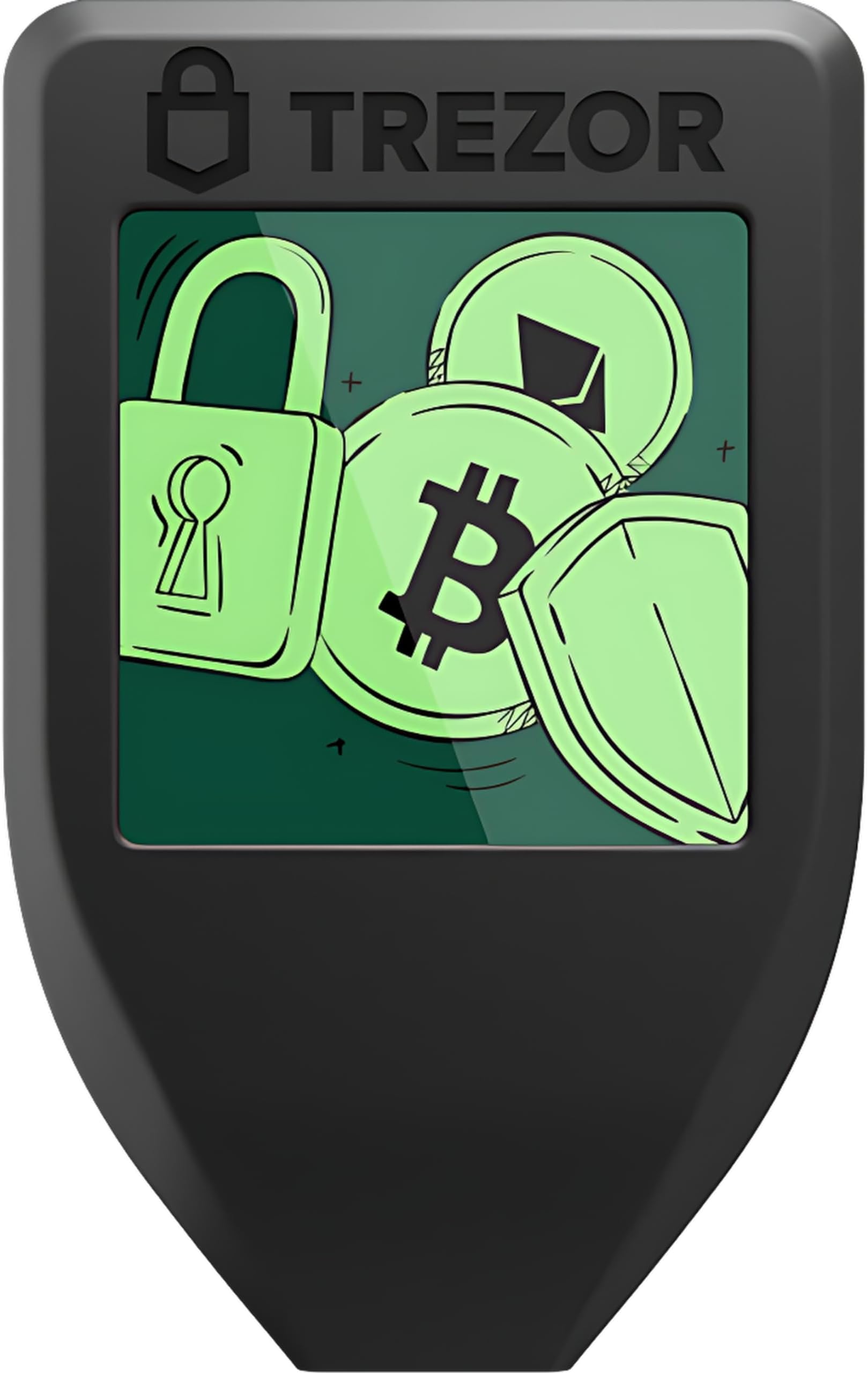
Buying, verifying, and initial setup
Buy from an official reseller or directly from the manufacturer. Check the packaging for tamper-evidence. If you get a device with pre-initialized settings, send it back. I’m biased, but I think buying sealed and initializing yourself is worth the extra effort. If you want a quick pointer on where to start checking manufacturer’s info, see this resource here — and then verify the URL carefully against known official channels; typosquatting is a real thing.
Okay, so checklists. Write down the seed phrase on durable material. Not on a screenshot. Not on a cloud note. Steel plates or acid-free paper are good choices. Store copies in geographically separated locations if you’re protecting a life-changing amount. One copy in your home safe and another in a bank deposit box works for many folks. There are tradeoffs — access in emergencies versus risk of theft — so think through who needs to know.
Whoa! Seriously? Passphrases complicate recovery but add a strong layer. A passphrase is an extension of the seed that creates a hidden wallet. If you pick a passphrase, document your method (not the passphrase itself) and practice recovery. If you lose it, the funds are effectively gone. On the other hand, not using a passphrase means less complexity for heirs. On one hand you want security, though actually planning for legacy access is often overlooked.
Use a PIN on the device. Use a firmware-verified update process. If the vendor offers transaction preview on the device screen, use it. My instinct said “skip the update” for convenience many times, and I paid the price with compatibility bugs. Always verify firmware via the device’s official tool and checksum verification.
Operational habits matter more than brand debates. Keep your recovery phrase offline. Rotate passwords for companion apps every few months. Prefer air-gapped transaction signing when possible. When you move funds, start with a small test transaction. If something feels off — a weird address or an unprompted firmware message — stop. Your gut is often right, so listen to it and then verify.
Threat modeling is practical and personal. Are you worried about casual theft, targeted theft, law enforcement, or device tampering? Each scenario needs different mitigations. For example, a high-profile individual might want multiple geographically separated hardware wallets with multisig arrangements, while a casual enthusiast may be fine with a single device and a good safe. Multisig adds complexity but reduces single-point-of-failure risk; however, setup errors in multisig are common and can be fatal if not tested.
Hmm… tangentially, home insurance rarely covers crypto. Check your policy. Some policies explicitly exclude digital assets. If your holdings are significant, speak with a financial advisor who understands crypto custody. I’m not 100% sure of every insurer’s stance, but this part bugs me — people assume assets are automatically covered and they are not. So plan for theft, loss, and sensible distribution.
Testing recovery is non-negotiable. Create a new wallet from your written seed on a different device or emulator and confirm you can restore access. If you rely on a purchased recovery service or a custodial backup, know the recovery steps and timelines. Failures usually happen because people never actually rehearse the recovery process. Practice it cold — you’ll see gaps you didn’t expect.
Frequently asked questions
What happens if I lose my hardware wallet?
Use your seed phrase to restore on another device. If you used a passphrase and forgot it, the funds may be unrecoverable. Keep multiple backups in separate secure places and test restores periodically.
Are hardware wallets susceptible to malware?
Malware can infect your PC or phone and attempt to trick you, but a hardware wallet that displays transaction details and verifies signatures locally reduces this risk. Always verify addresses on the device screen and avoid copy-paste address workflows when possible.
Is multisig worth the trouble?
For large amounts, yes. Multisig spreads risk across devices or people, reducing a single point of failure. The tradeoff is complexity and a larger recovery plan. Test everything and document roles clearly for successors.
