
Whoa! I almost tripped over how many people stash crypto insecurely. Really, in 2026 there’s still wallet.dat on laptops and phone screenshots. My instinct said this is reckless, though actually what worries me more is the slow creep of convenience over good security practices, which feels inevitable unless we pause and change habits. Here’s the thing: hardware wallets break that convenience-first pattern.
Seriously? They hold your keys offline so malware can’t reach them easily. But not all hardware wallets are created equal, and user mistakes still defeat good hardware. Initially I thought that any cold storage would suffice for most folks, but then I spent a year auditing setups and watching people lose funds through seeded backups left in clear text, reused passphrases, and social-engineering traps. So yes, the device matters, but the process around it matters more.
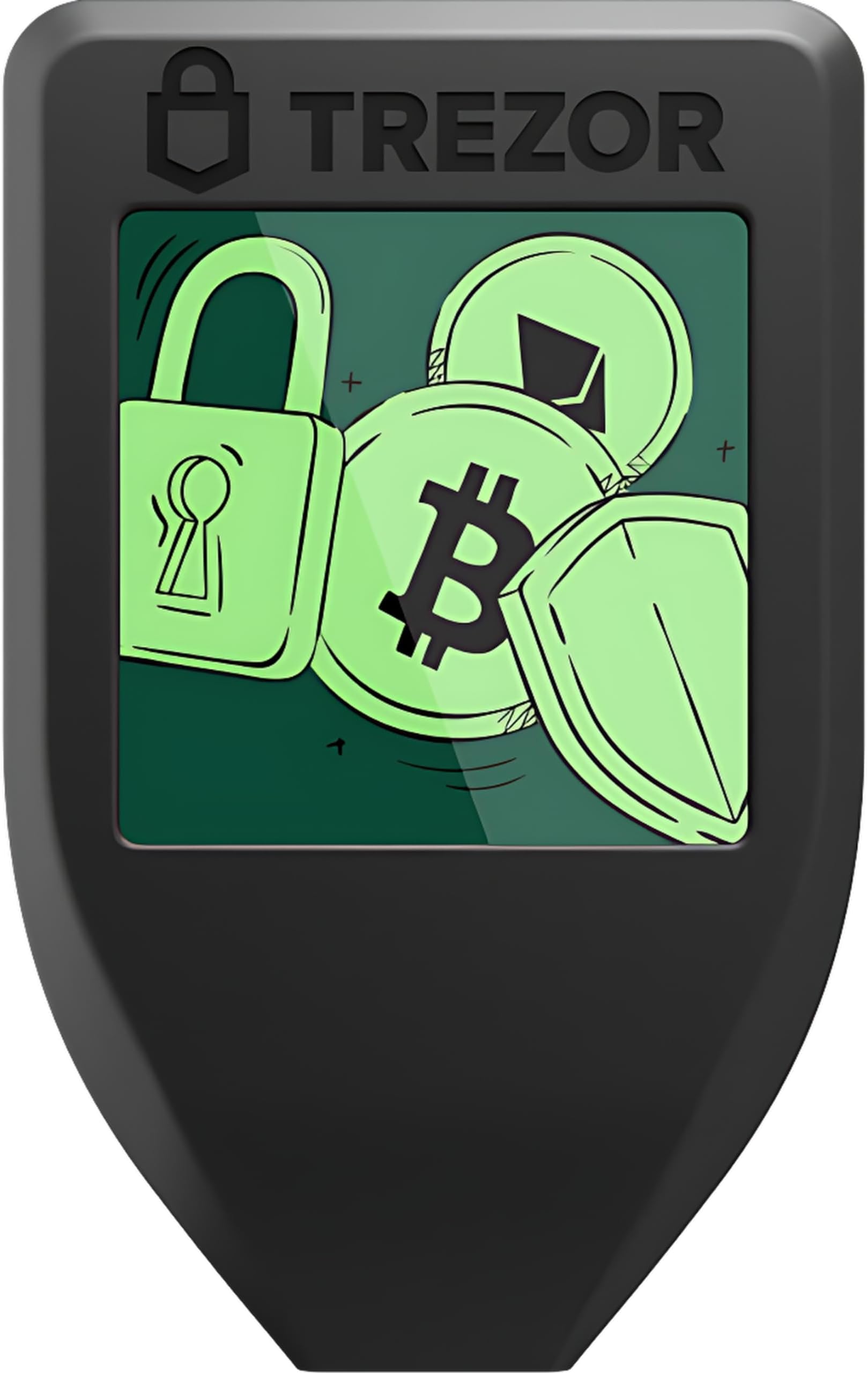
Hmm… Here’s what I do when advising friends or clients. Step one: choose a reputable hardware wallet and buy from a trusted source. (oh, and by the way…) If you want an example and practical walkthrough, I often point people toward a device family that’s stood the test of time, with robust open-source firmware and transparent supply chains, because those attributes reduce single points of failure over the device lifecycle. I also tell them to avoid gray-market sellers on auction sites.
Wow! Buy new in box, check tamper seals, and register the model details immediately—very very important. Write your recovery seed by hand, store copies in different secure locations, and think like a burglar planning a break-in. Use a metal backup if your area floods or you sweat a lot. On one hand, that’s overkill for tiny hobby balances, though actually even small holdings deserve a reasonable safety net that won’t vanish if your phone dies, you move, or a neighbor decides to “help” clean out a safe.
Choosing a workflow that survives mistakes
Okay, so check this out— I recommend using a hardware wallet that supports passphrase and recovery tools. I’m biased, but transparency in firmware and an active community are big pluses. If you’re unsure where to start, read independent reviews, check code repositories, and consider vendors with a track record of quick security responses and clear guidance on supply-chain security. For convenience, buyers sometimes pick the cheapest option, though that often means trade-offs in support.
Whoa! Also, set a PIN you won’t forget but that isn’t obvious. If you use a passphrase, back it up separately and store it safely. Recovering funds from an incomplete backup is a nightmare, and honestly, I’ve helped people dig through half-remembered phrases with tools and hours of guesswork, which should scare anyone into smarter backups. Practice makes the process muscle-memory; try a full recovery on a spare device.
Something felt off about this… I’m not 100% sure, but this all sounds like a checklist, but security is behavioral as much as technical. On one hand some people will find it tedious, though on the other hand taking a couple extra hours to set things right prevents the gut-sick feeling of losing money to a dumb mistake later. If you want a starting point, consider well-reviewed devices and official guidance from the trezor wallet. Really?
Common questions
What’s the difference between a hardware wallet and a software wallet?
A hardware wallet keeps private keys isolated on a device that signs transactions offline, while software wallets store keys on internet-connected devices. The trade-off is convenience versus exposure; hardware wallets add friction, but they greatly reduce remote-exploit risk. I’m biased toward hardware for anything you care about—small losses add up and they haunt you.
How should I store my recovery seed?
Write it down by hand, duplicate it on a durable medium (metal is best if you live somewhere with humidity or risk of fire), and store copies in separate secure locations. Don’t store seeds in cloud drives or photos. Practice a recovery to make sure your process actually works, and consider splitting backups if you’re handling substantial sums (but beware of complexity—too many parts and you might lose one).
