
Whoa! This started as a quick test. I installed an extension, clicked a few buttons, and then spent an evening chasing up small issues that felt weirdly personal. My instinct said this was slick and fast, but something felt off about one permission prompt—I wanted to dig deeper. By the end I had a clearer view of what works, what bugs me, and how to avoid rookie mistakes.
Seriously? The speed is remarkable. Transactions on Solana clear in a blink, and the extension UI keeps things focused without being cluttered. But the trade-offs are real: browser extensions expose your keys to the environment, so you have to treat them like a wallet on a laptop that might get lost or hacked. Initially I thought browser wallets were “good enough”, but then realized that pairing them with a hardware wallet or cold storage for large holdings is smarter. Actually, wait—let me rephrase that: for everyday DeFi or NFT interactions an extension like this is ideal, though for life-changing sums use extra safeguards.
Here’s the thing. Phantom makes onboarding easy, which is why it’s so popular. The seed phrase flow feels guided, and the UI encourages you to back up your 12-word phrase (do it!). I’m biased, but I prefer wallets that nudge you rather than shove you—which Phantom mostly does. Still, I missed a small checkbox once and had to redo the flow, which slowed me down; dang, those little UX gotchas bug me.
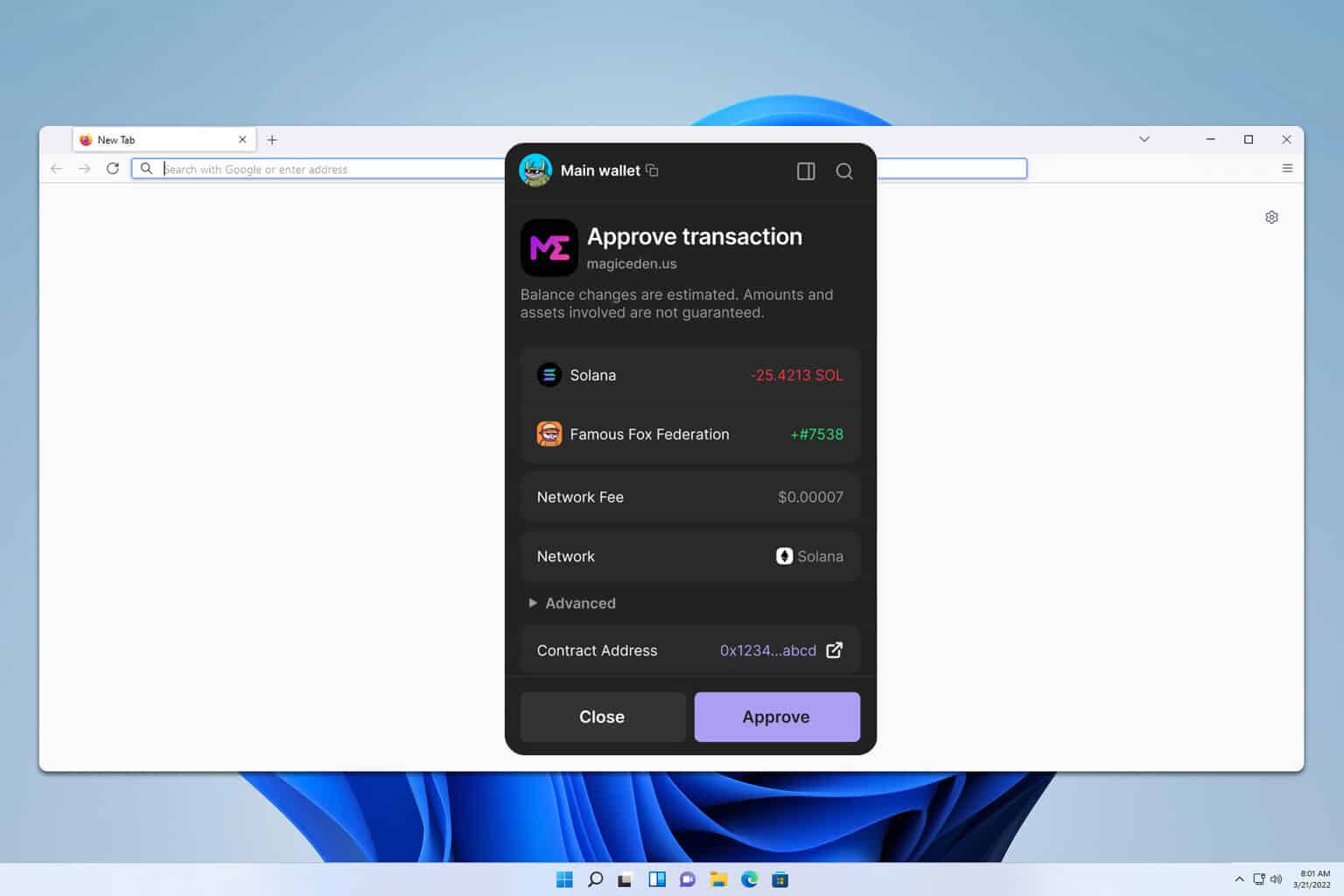
Hmm… I tested token swaps, a staking flow, and an NFT mint in one session. The swap slippage control is present, though not as granular as some dedicated DEX UIs, and the gasless-feel of Solana made the whole thing pleasantly cheap. On one hand the payments and signatures are quick; on the other hand, you must be vigilant about the exact contract you approve. My general rule now: pause, read the permission, and if something is unfamiliar, cancel and research.
Okay, so check this out—security tips I actually use. First, write your seed phrase on paper and store it in two separate secure locations, not in a screenshot or cloud note. Second, enable password protection for extension unlock and set a strong password that you use only for your wallet. Third, consider a hardware wallet for large balances and for signing high-value transactions. And yes, do test restores occasionally to confirm the seed actually works… because surprises suck.
Whoa! One more practical note. If you ever move funds between Phantom and other Solana wallets, always send a small test amount first. I once sent a full balance during a rush and learned a lesson the hard way—no repeat of that. It’s easy to assume addresses are interchangeable, though actually there are small nuances when interacting with certain programs and wrapped tokens. So slow down, test, confirm.
Hmm. The permissions model in browser extensions deserves a quick aside. Phantom asks for site connection approvals when you interact with dApps, which is safer than blanket permissions, but some pop-ups are ambiguous about the URL or program they’re connecting to. My instinct said “that’s fine” until I hit a phishing page that mimicked a legit marketplace; that moment sharpened my skepticism. On a technical level, Phantom uses injected APIs to interact with pages, so stay on guard for lookalike sites and never sign transactions you don’t understand.
Seriously? Setup is straightforward for most users. If you want to get started with Phantom, follow the official extension link saved here for convenience: phantom wallet and confirm you’re downloading the extension from a trusted store. After installation you’ll create a new wallet or import an existing one with a seed phrase; keep in mind that importing from unknown sources or pasting keys into web forms is a risk. Also, be mindful of phishing domains—double check spellings and certs.
Whoa! Some advanced features matter more than you might think. The token list and custom token add are fine, but when dealing with SPL tokens double-check contract addresses, because scammers create lookalike tokens. Phantom’s NFT viewer is very user friendly for quick browsing, though it sometimes struggles with large collections and metadata fetches. I once had an NFT appear without image data, and after chasing the metadata I found the hosting link was down—lesson learned about metadata decentralization.
Here’s the thing. Integrations with dApps are where the wallet shines or fails spectacularly. Phantom supports program-specific interactions reliably, and most reputable projects test against it. That said, when a dApp asks for contract-level approvals, that doesn’t always mean “transfer only”; read the scope carefully. On the analytical side, I keep a mental checklist: origin URL, contract address, scope of approval, and a quick search for known scams. Sometimes you have to be a little paranoid to be safe.
Hmm… Recoveries and multi-device use can be awkward. If you set up Phantom on another computer, importing the seed is simple but remember exported keys can be intercepted on compromised machines. I prefer using the extension only on my main workstation and using a phone-only wallet for small daily spends. There’s no perfect setup—it’s always about trade-offs between convenience and security, and what you’re willing to accept.
Whoa! A couple of real-world tips that saved me time: disable auto-fill password managers for your wallet extension and avoid browser profiles that mix general browsing with high-value wallet sessions. Also, clear cache sometimes and keep extensions to a minimum to reduce attack surface. These are small, forgettable tasks but they add up to much better security posture.
Okay, a bit more on DeFi habits. If you’re staking or providing liquidity on Solana, monitor your positions regularly for protocol updates or urgent governance votes. Staking is low effort, but liquidity pools can be hit by impermanent loss and rug pulls—yep, those still happen. My short rule: never lock funds in a new pool without verifying audits and a few community voices I trust. I’m not 100% sure on every auditor’s scope, but cross-checking multiple signals helps.
Whoa! Ecosystem compatibility is good. Phantom supports most mainstream Solana apps, and developer tooling around it is mature, which matters if you tinker with contracts or sign custom payloads. Still, when developers post a transaction request, examine it—phishing can mimic legitimate requests and slip in an extra transfer. I got burned once by a misleading UI on a rushed mint drop; that memory keeps me careful.
Hmm… final thought before the quick FAQs: treat the extension like your pocket wallet, not your bank vault. Use it for daily interactions, for NFTs you plan to flip, and for quick DeFi plays. But sleep with hardware wallet or cold storage for the holdings you can’t bear to lose. This balance keeps life easy and risk manageable, and it lets you enjoy the speed of Solana without sleepless nights.
Quick FAQs
Is Phantom safe to use for DeFi on Solana?
Mostly yes, if you follow basic precautions: secure your seed phrase, verify dApp origins, confirm transaction scopes, and consider a hardware wallet for large sums. Also, test with small amounts first—very very small if you’re new—and trust but verify community and audit signals.
Can I recover my wallet if my computer dies?
Yes, with your 12-word seed phrase you can restore on another device, though you should only enter it into official or trusted wallet software. I’m biased toward paper backups in multiple secure spots; digital backups can be convenient but riskier if mismanaged.
